


The Educated Equine Blog | Expert Horse Care, Health & Training Tips

How to Add Equine Science to Your Homeschool Transcript (With Sample Course Descriptions)
One of the most practical questions homeschool families ask before purchasing equine science courses is not about the content. It is about the paperwork. How do I list this on a transcript? What do...
Read more
Equine Science for Homeschoolers: What It Is, What It Covers, and Who It's For
If you have never heard of equine science as a homeschool subject, you are not alone. Most families discover it by accident, usually when a horse-obsessed child makes science miserable and a parent...
Read more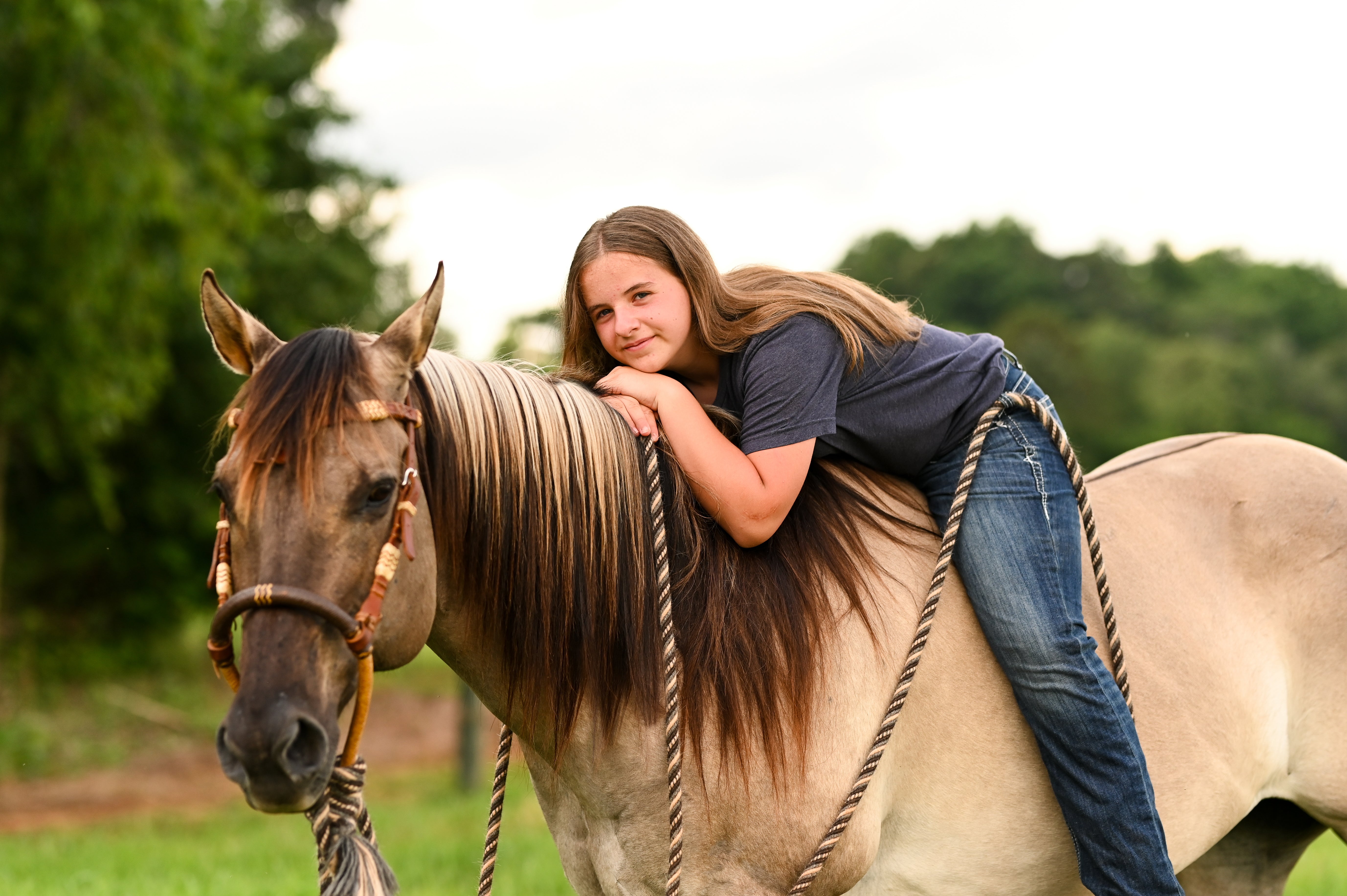
Homeschool Science Electives: 10 Unique Options for High School Students
One of the biggest advantages of homeschooling at the high school level is the ability to choose elective science credits that actually match your student's interests and learning style. Standard b...
Read more
Can Equine Science Count as a Biology or Science Credit? What Homeschool Families Need to Know
The short answer is yes. Equine science covers the same core life science and biology concepts found in standard high school curricula, including anatomy, physiology, nutrition, behavior, and firs...
Read more
Texas TEFA Funds Can Pay for Equine Education: What Horse-Loving Students Need to Know
If your child received a Texas Education Freedom Account (TEFA) award for the 2026-27 school year, you now have real flexibility in how those funds get used. And if your student has a passion for h...
Read more
The short answer: The equine veterinary profession is aging out faster than it is being replaced. Large animal vets now represent less than 2% of all veterinarians in the United States, and the pip...
Read more
Why Equine Vet Techs Are the Most Important People in Horse Health Right Now
The short answer: As the number of large animal veterinarians in the United States continues to decline, equine veterinary technicians and paraprofessionals are stepping into a more critical role t...
Read more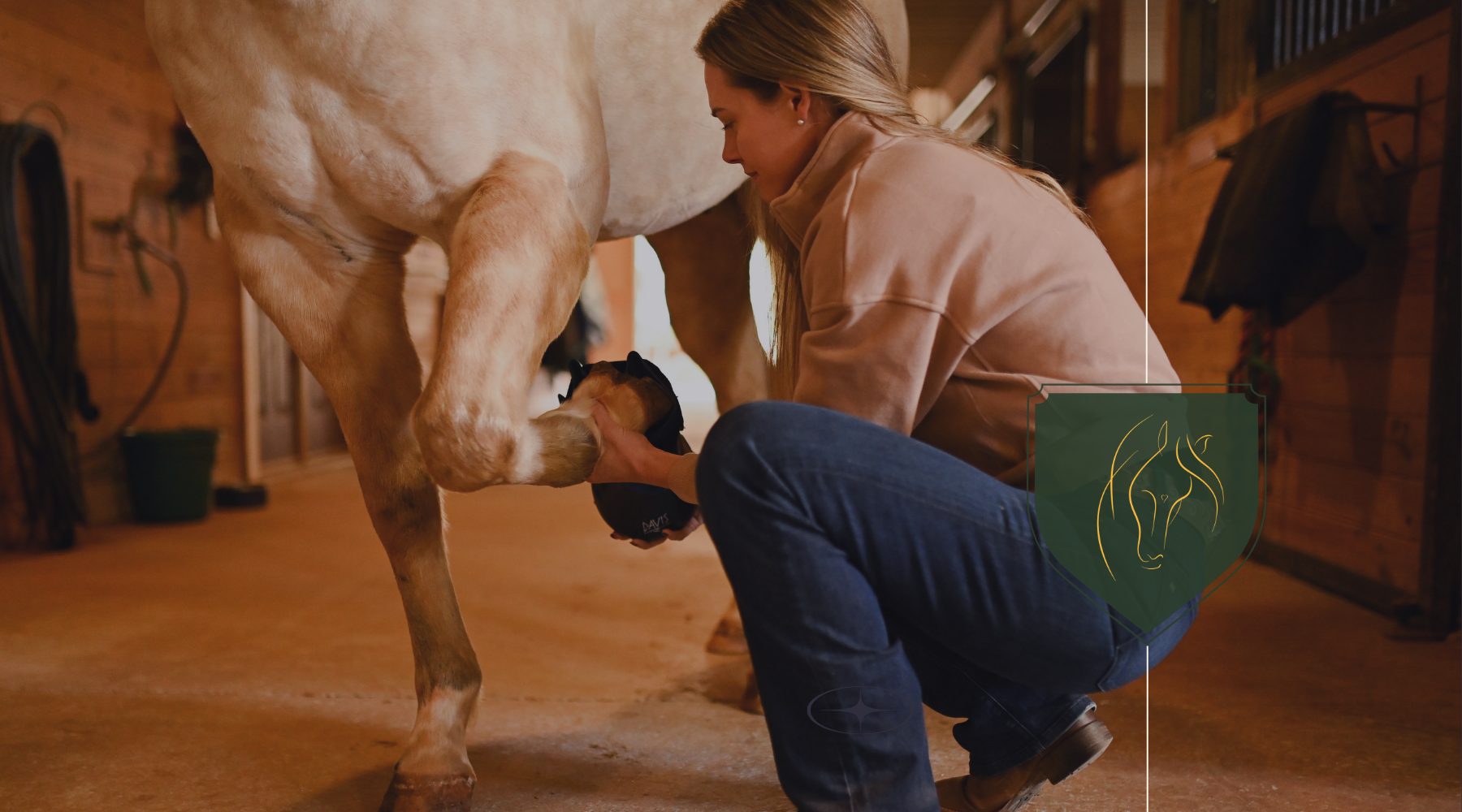
The Rural Equine Vet Shortage Is Real: Here Is What Horse Owners Can Do Right Now
The short answer: Large animal veterinarians are disappearing from rural America faster than they are being replaced. The USDA declared this a national crisis in 2025 and launched a formal action p...
Read more
Five Early Signs Your Horse’s Hooves Need Attention
Early hoof problems often start with subtle changes in movement, hoof structure and sensitivity. This guide helps horse owners recognize the first signs of discomfort so they can take action before...
Read more
The Fascinating World of Equine Vision
Equine vision offers a captivating way for homeschool students to explore biology and sensory science. Learn how horses see, why eye placement matters, and how this knowledge improves empathy and s...
Read moreBecome an expert Blogger with us
Calling all equine experts! Share your invaluable knowledge and experience with our passionate community of horse enthusiasts. We're seeking insightful, engaging blog posts that delve into the latest advancements in equine health, training techniques, and care practices. Whether you're a veterinarian, trainer, or seasoned horse owner, your expertise can make a real difference. Join us in our mission to educate and inspire by contributing to The Equine Institute's blog. Help shape the future of equine care – submit your blog proposal today!