


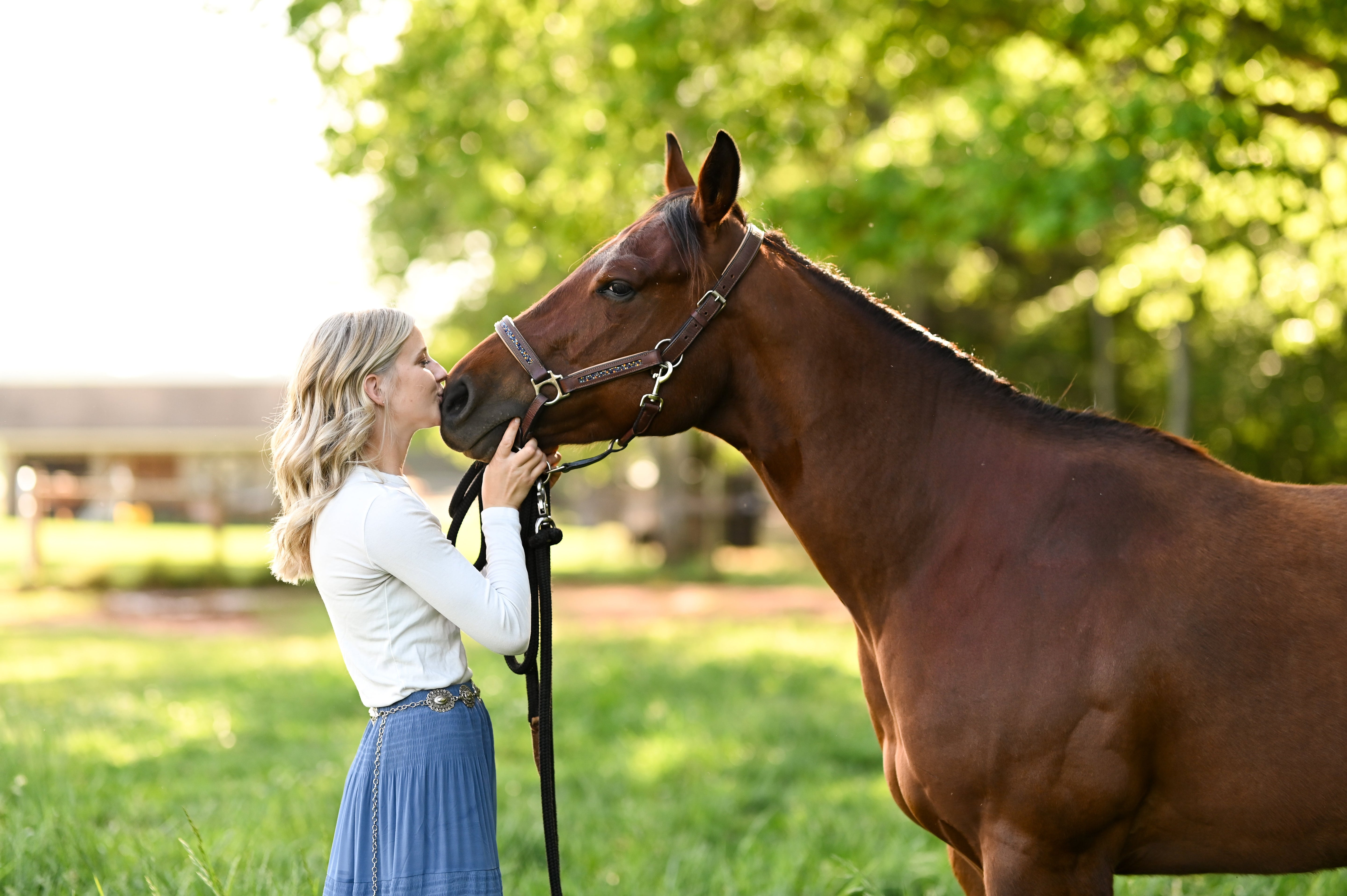
Equine Science for Homeschoolers: What It Is, What It Covers, and Who It's For
If you have never heard of equine science as a homeschool subject, you are not alone. Most families discover it by accident, usually when a horse-obsessed child makes science miserable and a parent starts searching for something, anything, that might change that. What they find, more often than not, is that equine science covers exactly the biology, anatomy, physiology, and life science content their student needs, delivered through a subject their student already loves.
This post is the complete introduction for families considering equine science for the first time. What it actually covers academically, who it is designed for, how it fits into a homeschool program, and what to expect from The Equine Institute specifically.
What Is Equine Science?
Equine science is the study of horses as biological organisms, covering their anatomy, physiology, nutrition, behavior, health, reproduction, and biomechanics through a science-based framework. It is the same discipline taught in university animal science and pre-veterinary programs, adapted here for homeschool students from elementary through high school.
It is not a riding curriculum. It does not cover horsemanship, training techniques, or equestrian sport in the traditional sense. It is a science curriculum that uses horses as the subject through which core biological concepts are taught, studied, and applied.
For students who own horses, ride horses, or want to work with horses professionally, equine science connects directly to real-world observation and experience. For students who simply love horses, it provides the scientific framework to understand what they are already fascinated by.
What Does Equine Science Cover Academically?
The Equine Institute's course catalog covers a wide range of topics that map directly to standard high school biology, life science, and health science frameworks.
Anatomy and Physiology
Courses covering equine anatomy include musculoskeletal systems, organ systems, circulatory and respiratory function, nervous system basics, and cellular biology. The Applied Equine Anatomy course and the Equine Physiology and Sociology course are the core offerings in this area. Students completing these courses build genuine anatomical literacy that transfers directly to human biology and veterinary science coursework.
Nutrition and Biochemistry
The Advanced Equine Nutrition course covers digestive physiology, macronutrient and micronutrient metabolism, gut health, and feeding management. The biochemistry content in this course is equivalent to what students would encounter in a high school nutrition science or advanced biology elective.
First Aid and Emergency Medicine
The Equine First Aid Essentials course covers clinical assessment procedures, common equine emergencies, basic pharmacology, wound care, and when veterinary intervention is required. It is one of the most clinically detailed courses in the catalog and works particularly well for students interested in veterinary medicine or health sciences.
Hoof Care and Lameness
The Equine Hoof course covers hoof anatomy, common lameness conditions, shoeing principles, and preventive care. It connects directly to anatomy and physiology content while covering a highly practical application area.
Behavior and Ethology
The behavior content within the Equine Physiology and Sociology course covers sensory biology, communication, social structure, and behavioral science. Students studying this content build understanding of neuroscience and ethology that transfers across species.
Breeds, Conformation, and Biomechanics
The Horse Breeds and Disciplines course and the Equine Conformation course cover classification, physical structure, and biomechanical principles relevant to movement and performance.
Who Is Equine Science For?
The Horse-Obsessed Student Who Dreads Science
This is the most common profile among families who find The Equine Institute. A student who would stay up reading horse books but struggles to engage with a standard biology text. Equine science does not make science easier. It makes science meaningful, and for most students that is the same thing.
The Student Heading Toward Veterinary Medicine
Equine science provides more genuine pre-veterinary preparation than most generalist animal science curricula. The clinical depth of courses like Equine First Aid Essentials and the veterinarian-developed content across the catalog builds foundational knowledge that translates directly to veterinary and pre-vet programs.
The Family Wanting a Multi-Year Science Track
The Equine Institute's 34-course catalog provides enough depth and breadth for a multi-year science curriculum sequence. Families can start with introductory courses and build progressively toward advanced clinical and case study content. The Complete Learning Library at $1,850 provides lifetime access to the full catalog, making it the most practical option for families planning long-term use.
The Younger Horse Lover
Equine science is not only for high school students. The Young Horse Explorers Course is designed for students aged 6 to 9, introducing horse biology, breeds, and care through content appropriate for younger learners. Building a science habit around genuine interest at the elementary level pays forward into the middle and high school years.
The International Homeschool Family
The Equine Institute has students in Canada, Australia, New Zealand, the United Kingdom, and across the United States. All courses are fully online and self-paced. Documentation templates for curriculum approval submission are available for international families, and the team provides direct support for families working through their specific country or province's approval process. Visit the homeschool hub for details.
How Equine Science Fits Into a Homeschool Program
Equine science works well in two configurations depending on your student's needs and your program's structure.
As a specialist elective alongside a core science curriculum, equine science courses provide the applied biology component while a standard text handles foundational theory. Many families use this approach, completing a core biology or life science program while using The Equine Institute's courses as the hands-on, interest-driven complement.
As the primary science track at the elective level, equine science can function as the main science program for students who are strongly interest-led, particularly in middle school and the early high school years. For students heading toward veterinary medicine or equine careers, a full equine science sequence provides both academic rigor and direct career relevance.
For detailed guidance on building a full high school science transcript around equine studies, read Designing an Equine Science Curriculum for High School. For answers to credit documentation questions, read Can Equine Science Count as a Biology or Science Credit?
What Makes The Equine Institute Different
Several things distinguish The Equine Institute from other animal science or equine education options in the homeschool market.
The content is developed and taught by licensed veterinarians and equine professionals, not generalist educators or curriculum writers. This means the science is accurate, current, and clinically relevant rather than simplified to the point of being incorrect.
The course catalog is the most comprehensive equine science curriculum available specifically for homeschool students. With 34 courses covering everything from basic horse biology to advanced case studies, no comparable curriculum exists at this depth.
The Equine Institute is listed on Cathy Duffy Reviews, one of the most trusted homeschool curriculum review platforms, and is approved for ESA funding in Texas, Arizona, Arkansas, Utah, West Virginia, and New Hampshire with more states in progress.
Thousands of students worldwide have completed Equine Institute courses across the United States, Canada, Australia, New Zealand, and the United Kingdom.
Frequently Asked Questions
What is equine science and is it a real academic subject?
Equine science is the scientific study of horses covering anatomy, physiology, nutrition, behavior, health, and biomechanics. It is taught at the university level in animal science and pre-veterinary programs worldwide. At the homeschool level, The Equine Institute's courses deliver this content in a self-paced online format developed by licensed veterinarians, with structured assessments and certificates of completion for academic documentation.
Is equine science only for students who own horses?
No. Many students who complete equine science courses do not own horses. The subject appeals to students who love horses as animals, are interested in veterinary medicine, or simply engage better with science when studied through a real-world application. You do not need access to a horse to complete any of The Equine Institute's online courses.
How is equine science different from a riding or horsemanship program?
Equine science is a biology and life science curriculum. It covers the horse as a biological organism, including anatomy, physiology, nutrition, health, and behavior. It does not cover riding technique, training methods, or equestrian sport in the traditional sense. It is academic science content delivered through the lens of horses, not a practical horsemanship program.
Can equine science lead to a career working with horses?
Yes. Students completing a full equine science sequence build foundational knowledge directly relevant to careers in veterinary medicine, veterinary technology, equine massage and bodywork, barn management, farriery, therapeutic riding, and equine-assisted services. The Equine Institute also offers professional-level courses in these career tracks for students ready to move beyond the homeschool curriculum level.
How long does it take to complete an equine science course?
Course length varies depending on the course and the student's pace. Most individual courses can be completed in four to eight weeks at a moderate pace. Courses are fully self-paced with lifetime access, so students can move faster or slower depending on their schedule and depth of engagement. There are no deadlines or live session requirements.
What if my student starts and decides equine science is not for them?
The Equine Institute offers sample materials before purchase so families can assess fit before committing. Individual course purchases allow families to start with one course before investing in a bundle or the full library. For families unsure where to begin, the Horses 101 Homeschool Bundle is designed as a low-commitment entry point that covers the broadest introduction to equine science content.
Explore All Homeschool Courses | Shop Homeschool Bundles | View Best Sellers | The Complete Learning Library
For more on how families are using equine science, read The Best Homeschool Science Curriculum for Animal-Loving Kids and Learning Biology and Anatomy Through Horses.
Leave a comment
This site is protected by hCaptcha and the hCaptcha Privacy Policy and Terms of Service apply.