



Learning Biology and Anatomy Through Horses: A Homeschool Approach
Horses are living laboratories. Their large bodies, observable anatomy and unique physiology give homeschool students a hands on and visually engaging way to explore biology, anatomy and life sciences. Learning through horses helps students connect scientific concepts with real animals rather than abstract textbook diagrams.
Understanding complex biological systems becomes more meaningful when your student can see muscles moving, hear breathing patterns and observe how a real body functions in motion. Equine based learning naturally reinforces curiosity, observation and critical thinking skills, which are central to homeschool science education.
Digestive system exploration
Start with the digestive system, which is one of the most unique and instructive biological comparisons for students. Horses are hindgut fermenters with a relatively small stomach and an extensive cecum and colon. This makes their digestion system completely different from humans or dogs and more similar to other grazing herbivores.
Have your student draw the digestive tract of a horse and compare it to the human digestive system. Discuss why horses need near continual forage, how fiber fermentation works and why sudden changes in diet can disrupt gut microbes. This is a natural introduction to microbiome science, anatomy and physiology.
Vision and sensory learning
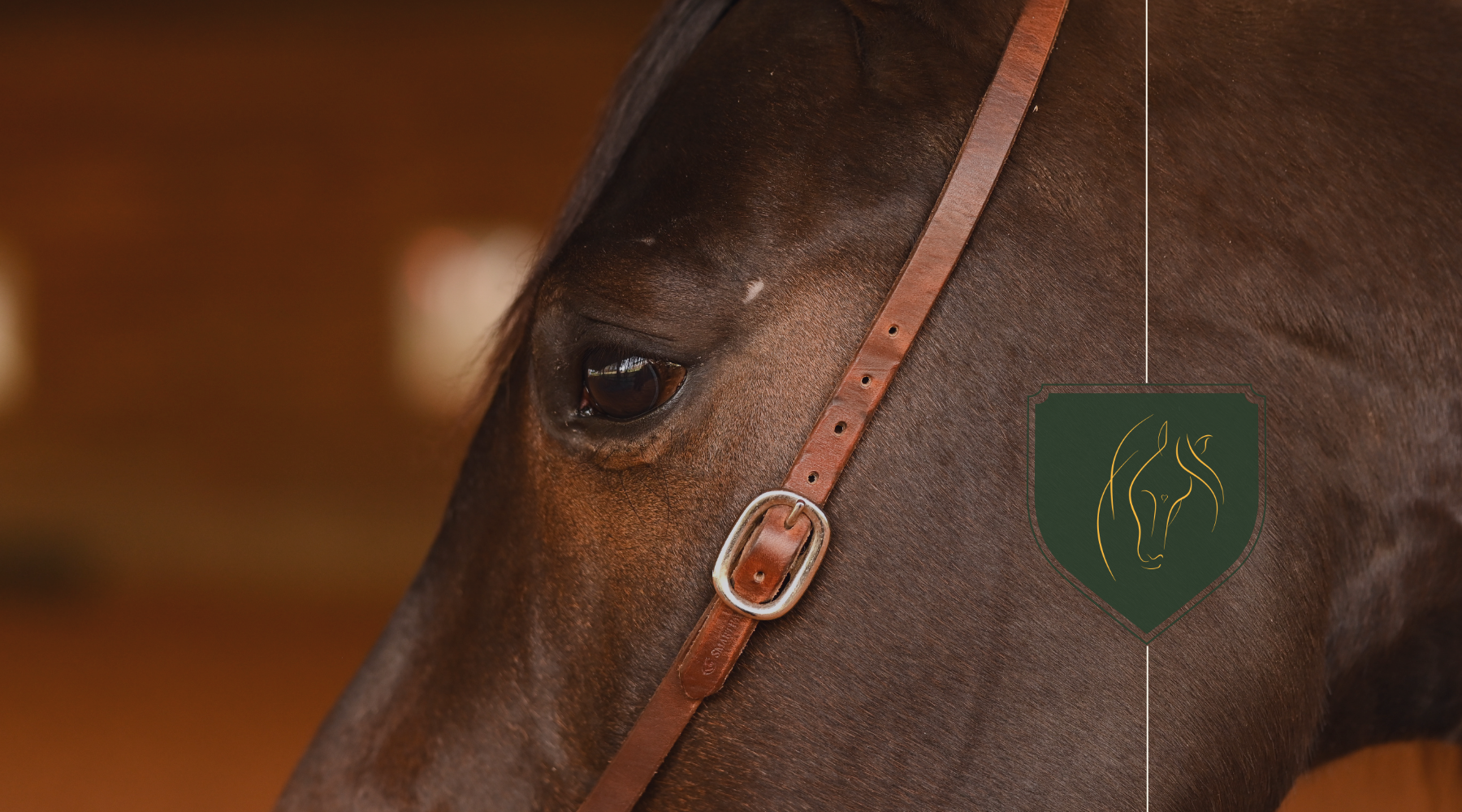
Horses have side set eyes that give them nearly 350 degree vision. This is a great opportunity to explore monocular versus binocular vision and how eye placement affects perception. Let your homeschool student test their own peripheral vision and compare it to what a horse experiences.
Discuss why prey species evolve widespread visual fields, how large eyes help detect movement and how horses compensate for a blind spot directly behind them. This ties into evolution, survival biology and comparative anatomy.
Structure and movement
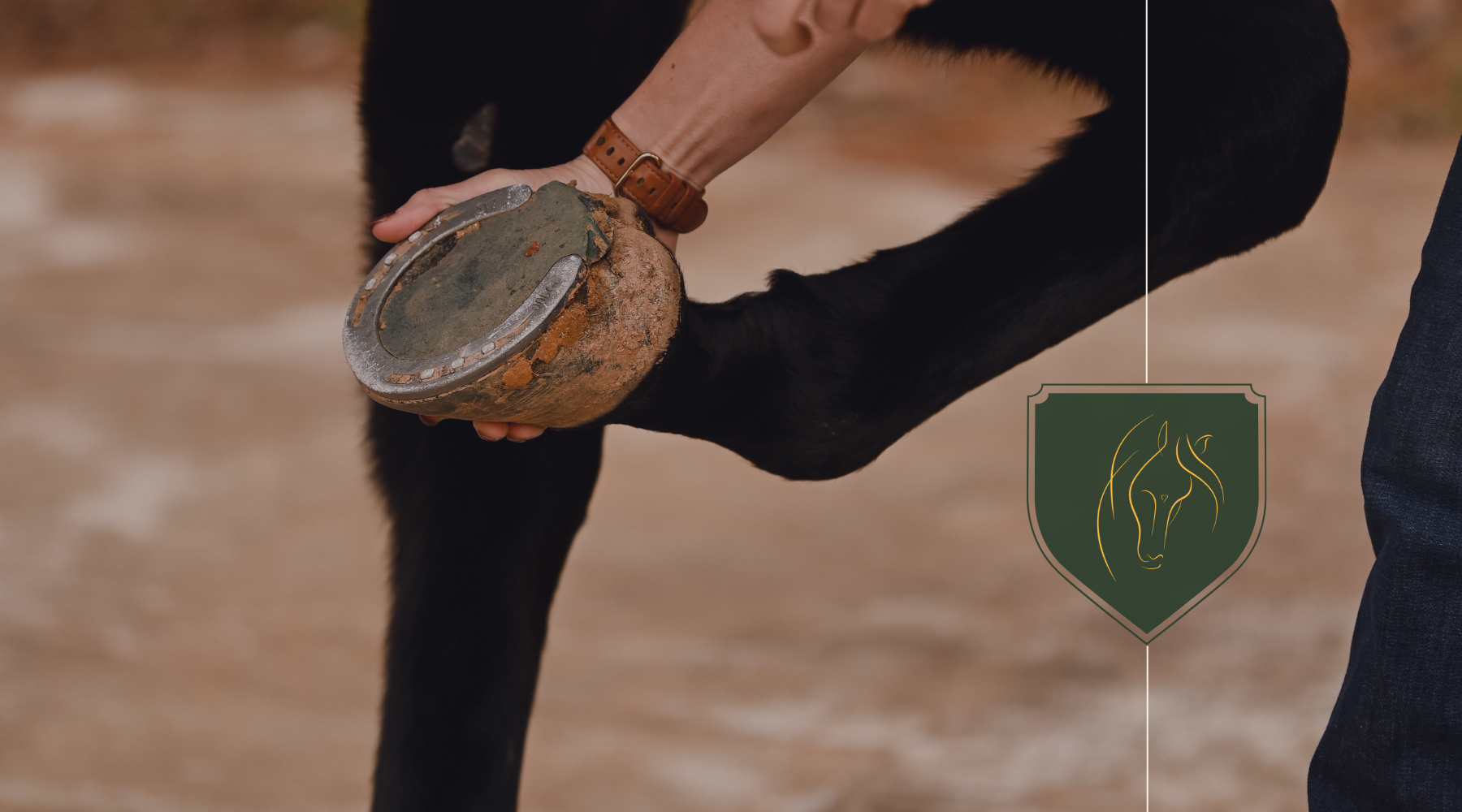
Observing a horse in motion reveals major muscle groups such as the neck, shoulder, back, abdominal muscles and hindquarters. Students can visually match what they see with diagrams of equine muscular structure. Have them describe how angles of joints and limb length affect gait and ability.
Slow motion videos, observational journaling and simple sketching activities can help students better understand biomechanics, movement physics and musculoskeletal function. These concepts support homeschool lessons in anatomy, kinesiology and structural biology.
Why horses make an excellent homeschool science subject
Learning through horses strengthens science comprehension because:
- real world examples increase retention
- students can connect anatomy with function
- movement patterns demonstrate biomechanics
- digestive structure demonstrates evolutionary adaptation
- sensory perception illustrates behavioral science
- the scale of the horse makes anatomical features easier to visualize
Homeschooling families often find that students who struggle with conventional memorization thrive when science becomes experiential, hands on and animal based.
Using horses as a teaching tool brings biology to life, builds stronger scientific intuition and nurtures a deeper respect for living systems. With structured equine learning, homeschool students can meet or exceed biology and anatomy educational standards while exploring the subject through a species they love.
Leave a comment
This site is protected by hCaptcha and the hCaptcha Privacy Policy and Terms of Service apply.