


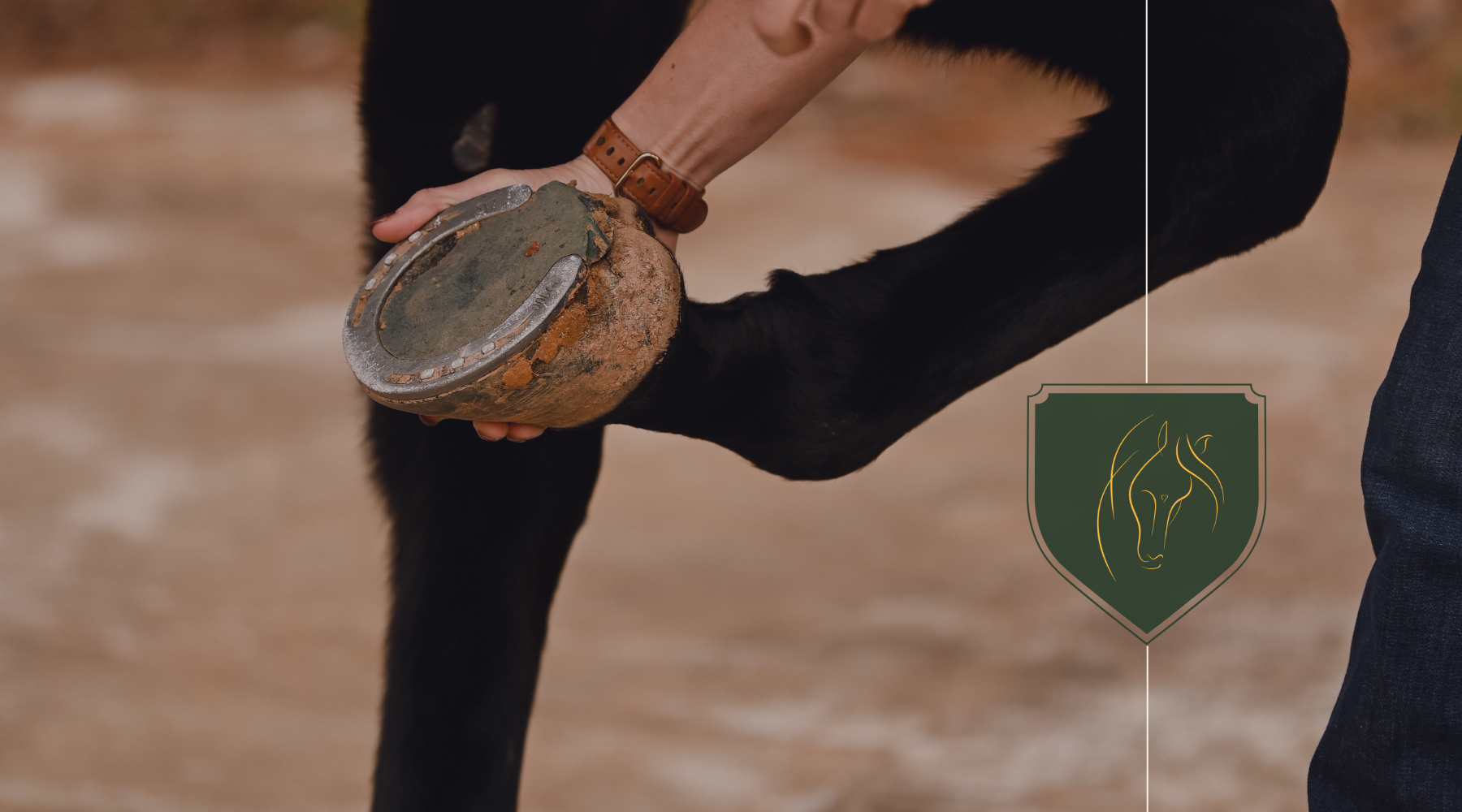
How to Choose a Farrier You Can Trust
Finding the right farrier can feel intimidating when hooves play such a crucial role in your horse’s health. Farrier work is not licensed in most states, which means almost anyone can call themselves a farrier. Because of that, owners need to do a little homework and choose wisely. The right professional will not only trim or shoe your horse but also support soundness, balance and long term comfort.
Why a good farrier matters
Your horse’s hooves are the foundation of their entire body. Poor hoof care can lead to lameness, joint issues, muscle strain, posture changes and even behavioral problems caused by discomfort. A skilled farrier does far more than cut hoof walls. They evaluate conformation, weight distribution, gait patterns, wear, and how the horse uses their body. The difference between a mediocre trim and a great one can be the difference between a sound, comfortable horse and a horse struggling to stay balanced.
What to look for
1. Certification or ongoing education
Dedicated farriers often take certification exams through organisations like the American Farriers Association. Look for designations like Certified Farrier (CF) or Certified Journeyman Farrier (CJF). If they are not certified, ask about clinics, workshops or apprenticeships they have completed. A farrier who stays current on research and technique brings added value to your horse’s care.
2. Experience and reputation
Ask friends, trainers and your veterinarian who they trust. A farrier with a strong track record should be able to provide references and examples of horses they have cared for long term. Look for someone who has experience with horses similar to yours whether that is performance horses, pleasure horses, young horses or seniors needing supportive care.
3. Understanding of biomechanics and conformation
A skilled farrier looks beyond the hoof itself. They evaluate how the horse moves, how the hoof lands, how weight transfers through the limb and how limb structure affects wear patterns. Farriers who understand biomechanics can often spot early signs of issues and correct them before they become problems.
4.Compatibility with your team
The best hoof care happens when professionals collaborate. Your farrier should communicate well with your veterinarian, especially if your horse has chronic laminitis, navicular syndrome, arthritis or past injury. There is no one technique that fits all horses. Every horse’s conformation, workload and history requires an individual approach.
5. Kindness and patience
Watch how the farrier interacts with your horse. Do they rush or become frustrated? Or do they work calmly and confidently? A patient farrier can help nervous horses improve over time and keeps shoeing days safer and less stressful.
6. Professionalism and reliability
Do they show up on time? Do they keep a consistent schedule? Do they handle rescheduling respectfully? A dependable farrier becomes a long term partner in your horse’s wellbeing.
7. Transparency
Good farriers answer questions, explain decisions and offer guidance for hoof care between visits. You should never feel dismissed or kept in the dark about what is being done to your horse’s feet.
Questions to ask
-
How long have you been working as a farrier and what certifications or training do you hold?
-
How do you stay current on new research and trimming or shoeing methods?
-
Can you describe a time you collaborated with a veterinarian to solve a hoof or lameness issue?
-
How do you approach trimming or shoeing different hoof shapes, movement patterns or conformation types?
-
What is your approach to scheduling, communication and long term hoof care planning?
-
If my horse developed a hoof issue, would you be open to consulting with my vet, bodyworker or trainer?
Red flags to watch for
• They insist there is only one correct trimming or shoeing style for all horses
• They refuse to collaborate with veterinarians
• They dismiss your questions or concerns
• They create quick fixes rather than long term hoof improvement
• Horses often seem foot sore after their visits
• Their schedule is extremely unpredictable or unreliable
Not every farrier is right for every horse or every owner. You are hiring a professional who will literally shape the way your horse moves, so the decision deserves thoughtful attention.
Final thoughts on choosing a farrier
Selecting the right farrier is an investment in your horse’s soundness and comfort. Slow down, ask questions and build a relationship with someone who treats hoof care as both an art and a science. When you find the right farrier, you will know because your horse will move better, feel better and stay sounder over time.
Looking for more hoof health resources? Explore our equine science courses for in depth learning and deeper understanding of hoof anatomy, biomechanics and corrective care.

Leave a comment
This site is protected by hCaptcha and the hCaptcha Privacy Policy and Terms of Service apply.