


Article: How to Add Equine Science to Your Homeschool Transcript (With Sample Course Descriptions)
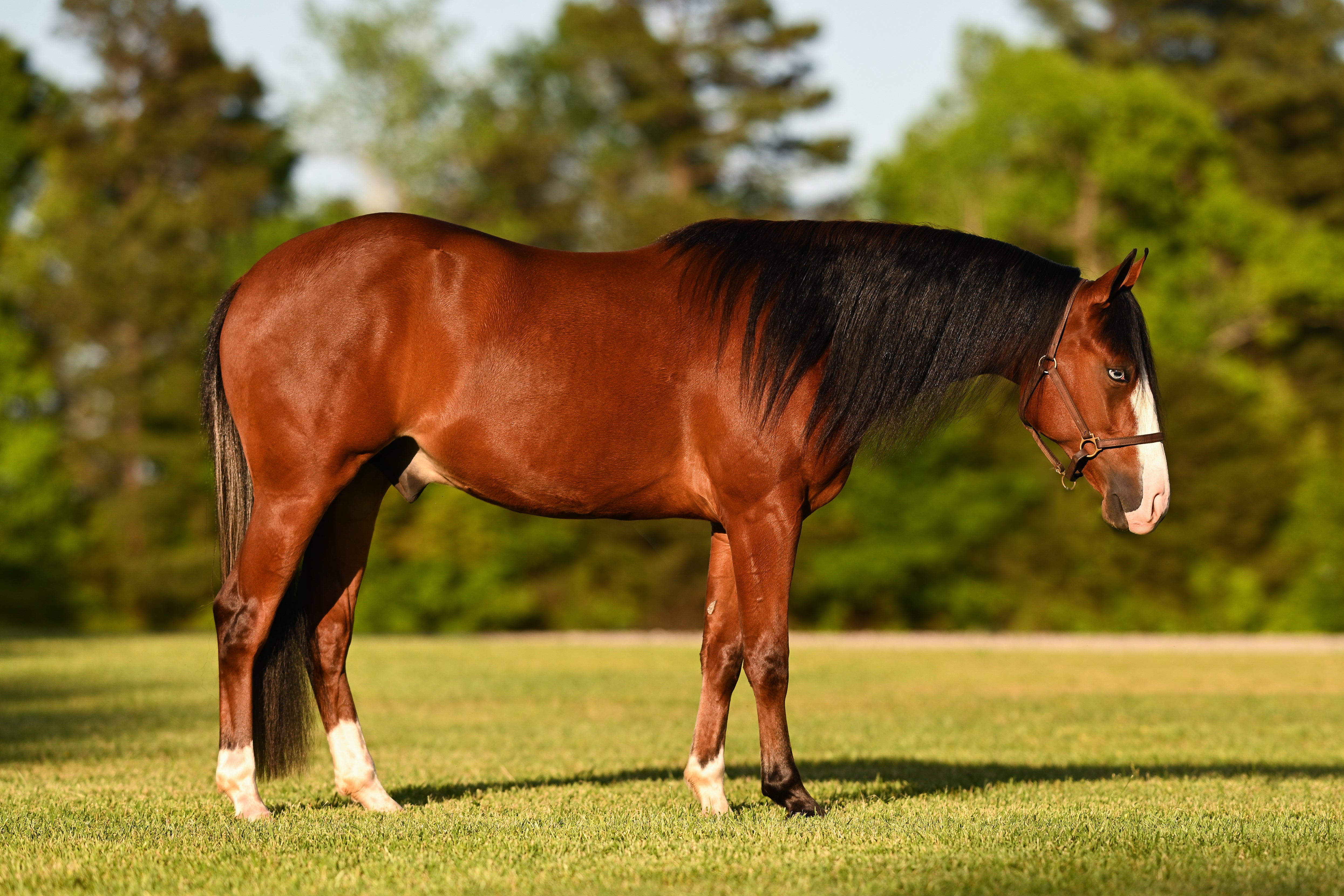
How to Add Equine Science to Your Homeschool Transcript (With Sample Course Descriptions)
One of the most practical questions homeschool families ask before purchasing equine science courses is not about the content. It is about the paperwork. How do I list this on a transcript? What do I call it? How many credits is it worth? What if my umbrella school or state program asks for documentation?
These are exactly the right questions to ask before you start, and this post answers all of them with specific, usable guidance including sample course descriptions you can adapt directly for your student's transcript.
Why Transcript Documentation Matters for Homeschool Families
A homeschool transcript is the primary academic record that follows your student into college applications, scholarship programs, state evaluations, and in some cases employment. Getting the documentation right matters not because equine science needs to hide behind conventional-sounding titles, but because clear, accurate documentation helps administrators understand exactly what your student studied and assess it fairly.
The good news is that equine science is academically defensible on a homeschool transcript. The content maps directly to recognized science standards. The courses are developed by licensed veterinarians. And The Equine Institute is listed on Cathy Duffy Reviews, which carries weight with administrators who use it as a curriculum reference.
How Credits Are Calculated for Equine Science Courses
Most Equine Institute courses are designed to represent 0.25 to 0.5 high school elective credits depending on how your program calculates instructional hours. The most common standard is Carnegie units, where one credit equals approximately 120 to 150 hours of instruction.
Individual courses typically represent 15 to 40 hours of instructional content depending on the course. Families accumulate credit by combining related courses into a documented sequence.
Here is a practical guide to credit accumulation:
Two to three shorter courses covering related topics, such as equine anatomy combined with equine physiology and behavior, can be combined into a 0.5 credit elective. Four to six courses covering a broad range of equine science topics can be documented as a 1.0 credit biology or animal science elective. The HorseSmart Homeschool Bundle covering eight courses provides sufficient content for a 1.0 credit high school elective with documentation to support it. The Complete Learning Library covering all 34 courses provides enough content for multiple elective credits across several academic years.
Always confirm your specific program's credit calculation method before assigning final credit values.
What to Call Equine Science on a Transcript
Homeschool transcripts do not require courses to match commercially published titles exactly. What matters is an accurate description of content. Here are the most commonly used and most widely accepted course titles for equine science documentation:
Biology Elective is the broadest and most universally accepted title. It works for any combination of equine science courses covering anatomy, physiology, nutrition, or behavior.
Life Science is appropriate for middle school level documentation and works for introductory courses covering horse biology, body systems, and animal behavior.
Animal Science is an accepted elective category in most state frameworks and umbrella school guidelines. It is particularly appropriate for courses covering nutrition, health management, and veterinary basics alongside anatomy.
Equine Science is increasingly recognized as its own category, particularly for families submitting to programs familiar with The Equine Institute or Cathy Duffy Reviews. Some families prefer to use this title directly for its specificity and career relevance.
Veterinary Science Foundations works well for students completing the more clinically oriented courses including Equine First Aid Essentials and advanced health management content.
Sample Course Descriptions for Homeschool Transcripts
These descriptions are written to be adapted for your student's specific course completion. Replace bracketed items with your student's actual course titles and completion details.
Sample Description: Biology Elective (0.5 Credit)
This course provided a rigorous introduction to biological systems through the study of equine science. Topics included musculoskeletal anatomy, organ systems and physiological functions, nutritional biochemistry, animal behavior and ethology, and principles of health assessment and emergency care. Course content was developed by licensed veterinarians and delivered through self-paced online instruction including video lessons, written content, and structured assessments. A certificate of completion was awarded upon passing a minimum 70% assessment score.
Sample Description: Animal Science Elective (1.0 Credit)
This year-long elective provided comprehensive coverage of animal science principles through equine-focused study. Topics included equine anatomy and musculoskeletal systems, digestive physiology and advanced nutrition, hoof anatomy and lameness, horse behavior and sensory biology, first aid and emergency medicine, and horse breeds, conformation, and biomechanics. All courses were developed and taught by licensed veterinarians and equine professionals. Instruction was delivered through self-paced online video and written content with quizzes and assessments. Certificates of completion were issued for each course and are included in this student's portfolio.
Sample Description: Equine Science (0.5 Credit)
This science elective covered horse biology, anatomy, and health through courses developed by licensed veterinarians. Topics included equine physiology and organ systems, nutritional science and digestive health, hoof anatomy and care, and principles of equine first aid and emergency response. Instruction was delivered through The Equine Institute's online platform with structured assessments and a minimum passing grade of 70% required for course completion. A certificate of completion was issued in the student's name upon successful course completion.
Sample Description for Younger Students (Elementary Enrichment, No Credit)
This science enrichment program introduced foundational concepts in animal biology through the study of horses. Topics included horse anatomy, breeds and characteristics, basic health and nutrition, and animal behavior. Instruction was delivered through The Equine Institute's Young Horse Explorers program, an online self-paced curriculum designed for elementary-level learners.
Getting Your Program to Accept the Documentation
If your umbrella school, independent study program, or state authority asks for additional documentation beyond your transcript description, The Equine Institute provides several resources to support the approval process.
A downloadable course outline template is available that has been successfully used by families across the United States, Canada, Australia, and New Zealand. If you need a specific course syllabus or learning objectives document for a particular course, email info@equineinstitute.org and the team will provide it.
The Equine Institute's listing on Cathy Duffy Reviews is a useful reference to include when submitting to programs whose administrators use it as a curriculum evaluation resource. The review provides an independent assessment of course content, academic level, and suitability for homeschool use.
For ESA-funded families, The Equine Institute is currently approved on Odyssey and ClassWallet for Texas, Arizona, Arkansas, Utah, West Virginia, and New Hampshire with additional states in progress. Visit the homeschool hub for current approval status.
Building a Multi-Year Equine Science Transcript
For families planning more than one year of equine science, the transcript documentation approach shifts from single-course descriptions to a progressive curriculum sequence.
A practical multi-year approach might look like this:
Middle school, grades 6 to 8, documents as Life Science enrichment covering introductory horse biology, anatomy, and behavior. No formal credit is assigned at this stage but the coursework builds the foundation for high school credit documentation.
High school year one documents as a 0.5 credit Biology Elective covering equine anatomy, physiology, and behavior in depth.
High school year two documents as a 0.5 credit Animal Science Elective covering nutrition, first aid, hoof care, and health management.
High school year three for students pursuing a veterinary or equine career track documents as a 0.5 credit Veterinary Science Foundations or Advanced Equine Science elective covering case studies, advanced clinical content, and professional-level topics.
This progression is fully supported by The Equine Institute's course catalog. The Complete Learning Library provides access to all 34 courses with lifetime access, making it the most practical and cost-effective option for families planning a multi-year sequence.
For detailed guidance on structuring this curriculum sequence, read Designing an Equine Science Curriculum for High School.
Frequently Asked Questions
How do I list equine science courses on a homeschool transcript?
List the course under a recognized science category such as Biology Elective, Animal Science, Life Science, or Equine Science depending on your program's requirements. Include a brief description of topics covered, the instructional format, the assessment method, and the grade or pass status. Certificates of completion from The Equine Institute can be included in your student's portfolio as supporting documentation.
How many high school credits can equine science courses earn?
Individual courses typically represent 0.25 to 0.5 credits. Students completing multiple related courses can accumulate a full 1.0 credit elective. The HorseSmart Homeschool Bundle covering eight courses provides sufficient content for a documented 1.0 credit elective. Credit assignment depends on your program's specific guidelines for calculating instructional hours.
What documentation does The Equine Institute provide for transcript purposes?
Every course includes a downloadable certificate of completion issued in the student's name upon passing the required assessments with a minimum 70% score. Course outlines and learning objectives documents are available upon request by emailing info@equineinstitute.org. A downloadable approval template for submission to umbrella schools and governing bodies is also available on the homeschool hub.
Will homeschool umbrella schools accept equine science for credit?
The Equine Institute has a strong track record of acceptance when families submit course documentation for review. The courses are developed by licensed veterinarians, listed on Cathy Duffy Reviews, and include structured assessments and certificates of completion. The team at info@equineinstitute.org provides direct support for families navigating the submission process with their specific program or state authority.
Can I use equine science courses in a homeschool co-op?
Yes. A single course purchase can be shared by multiple students. Each student requiring an individual certificate of completion can obtain one for a $25 fee per student per course. Co-op groups working through courses together can use the same purchase for group instruction while maintaining individual documentation for each participating student.
How do I document equine science for college applications?
List the courses on your student's homeschool transcript under the appropriate credit category with a clear course description. Include certificates of completion in the supporting portfolio. For students applying to veterinary science or animal science programs, the veterinarian-developed content and clinical depth of The Equine Institute's courses is a genuine differentiator worth highlighting in application materials alongside the transcript documentation.
Explore All Homeschool Courses | Shop Homeschool Bundles | The Complete Learning Library | View Best Sellers
For more on equine science in homeschooling, read Can Equine Science Count as a Biology or Science Credit? and Equine Science for Homeschoolers: What It Is, What It Covers, and Who It's For.
Leave a comment
This site is protected by hCaptcha and the hCaptcha Privacy Policy and Terms of Service apply.