


The Educated Equine Blog | Expert Horse Care, Health & Training Tips

Learning Biology and Anatomy Through Horses: A Homeschool Approach
Horses offer an engaging way for homeschool students to explore biology and anatomy through real world observation. From digestion to movement and sensory perception, equine science brings life sci...
Read more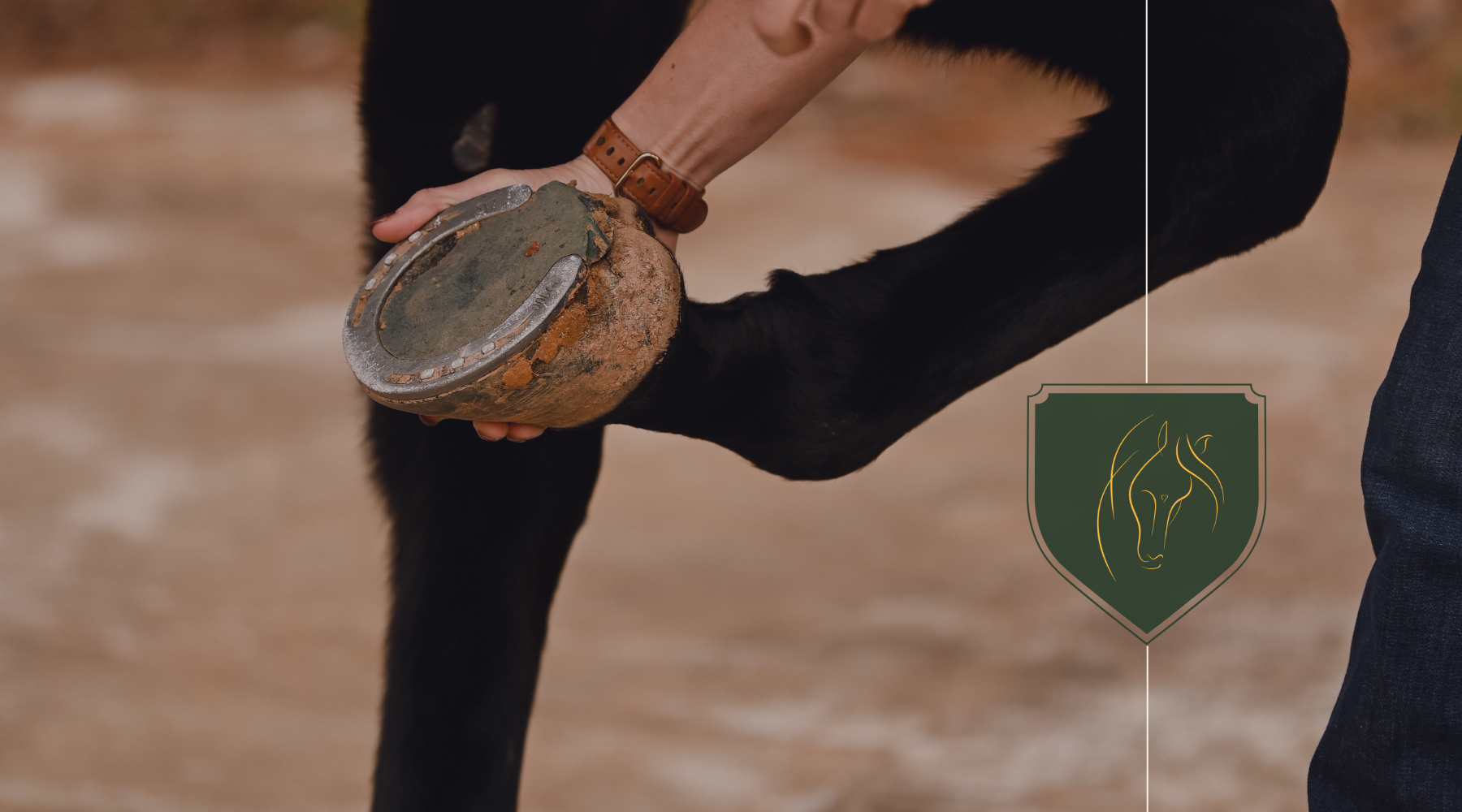
How to Choose a Farrier You Can Trust
Choosing a farrier can feel overwhelming, but the right one makes a measurable difference in your horse’s movement, posture and long-term soundness. This guide walks you through qualifications, com...
Read more
The Best Homeschool Science Curriculum for Animal-Loving Kids
For some students, science clicks the moment it connects to something they already care deeply about. For animal-loving kids, that connection is right there waiting. Biology, anatomy, physiology,...
Read more
The Best Homeschool Curriculum for Horse-Loving Students
Equine science turns homeschool science into something engaging. From anatomy and behavior to nutrition and first aid, horse-loving students can earn real science credit while studying what excites...
Read more
Designing an Equine Science Curriculum for High School
When homeschooling a horse-focused student, equine science can become a powerful academic track. This guide shows how to design a four year plan that meets high school science requirements while bu...
Read more
Keeping Horses Safe During Periods of Low Air Quality
Wildfire smoke isn’t just a nuisance, it can cause real harm to your horse’s lungs, performance, and overall health. In this feature with Dr. Fran Rowe, DVM, PAS and Mad Barn, we break down how smo...
Read more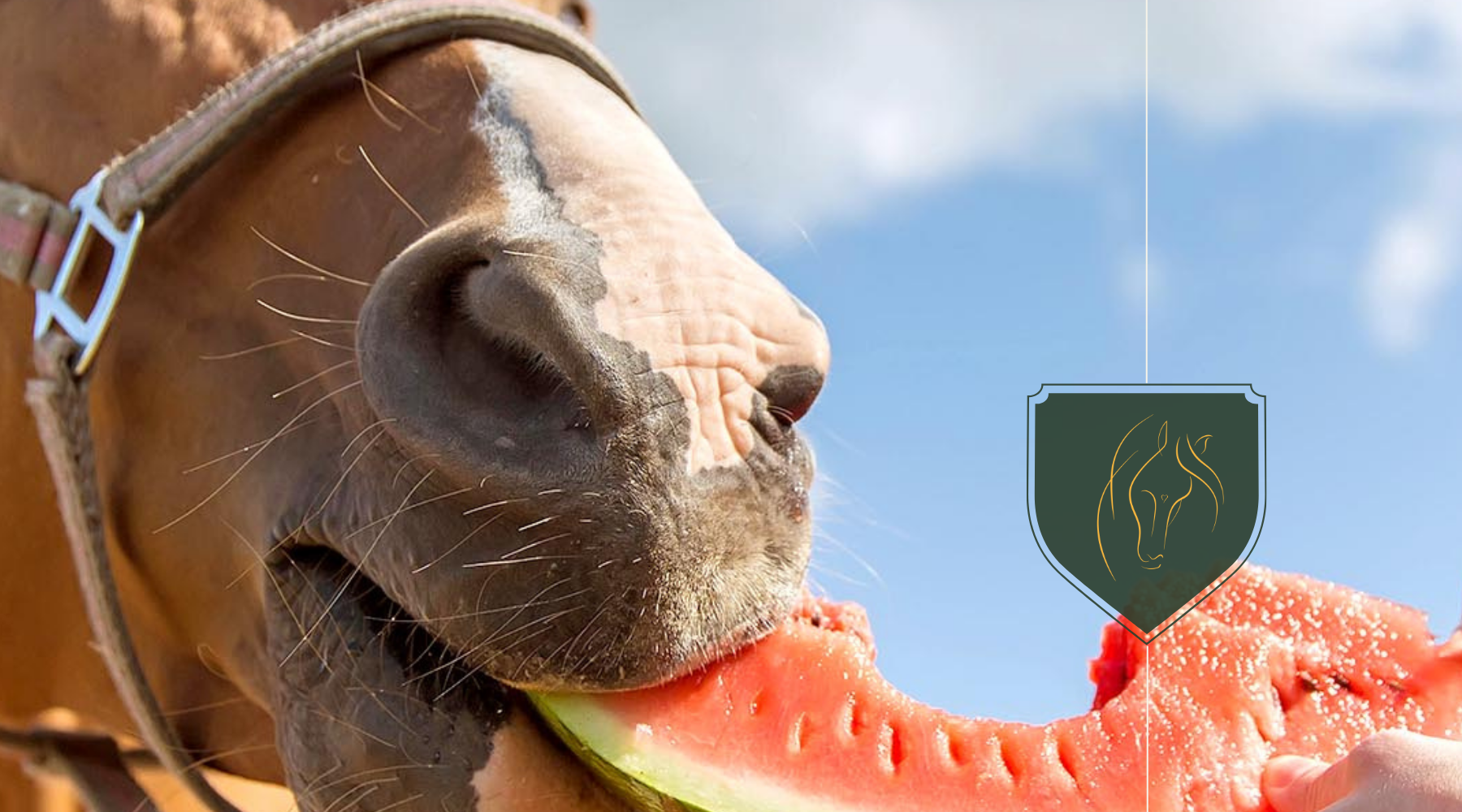
Can Horses Eat Watermelon? Risks, Benefits & Serving Tips
Watermelon can be a refreshing summer treat for horses when fed safely. Learn about the nutritional benefits, potential risks, and guidelines for introducing watermelon to your equine friend’s diet.
Read more
The 7 Most Common Mistakes Horse Owners Make (and How to Fix Them)
Even experienced horse owners can make small mistakes that lead to big problems. Here are 7 common horse care errors and simple ways to fix them fast.
Read more
5 Equine Nutrition Myths That Could Be Harming Your Horse
Feeding your horse based on tradition, not science, can lead to big mistakes. In this article, we bust 5 common equine nutrition myths; from beet pulp to bran mash and explain what your horse reall...
Read more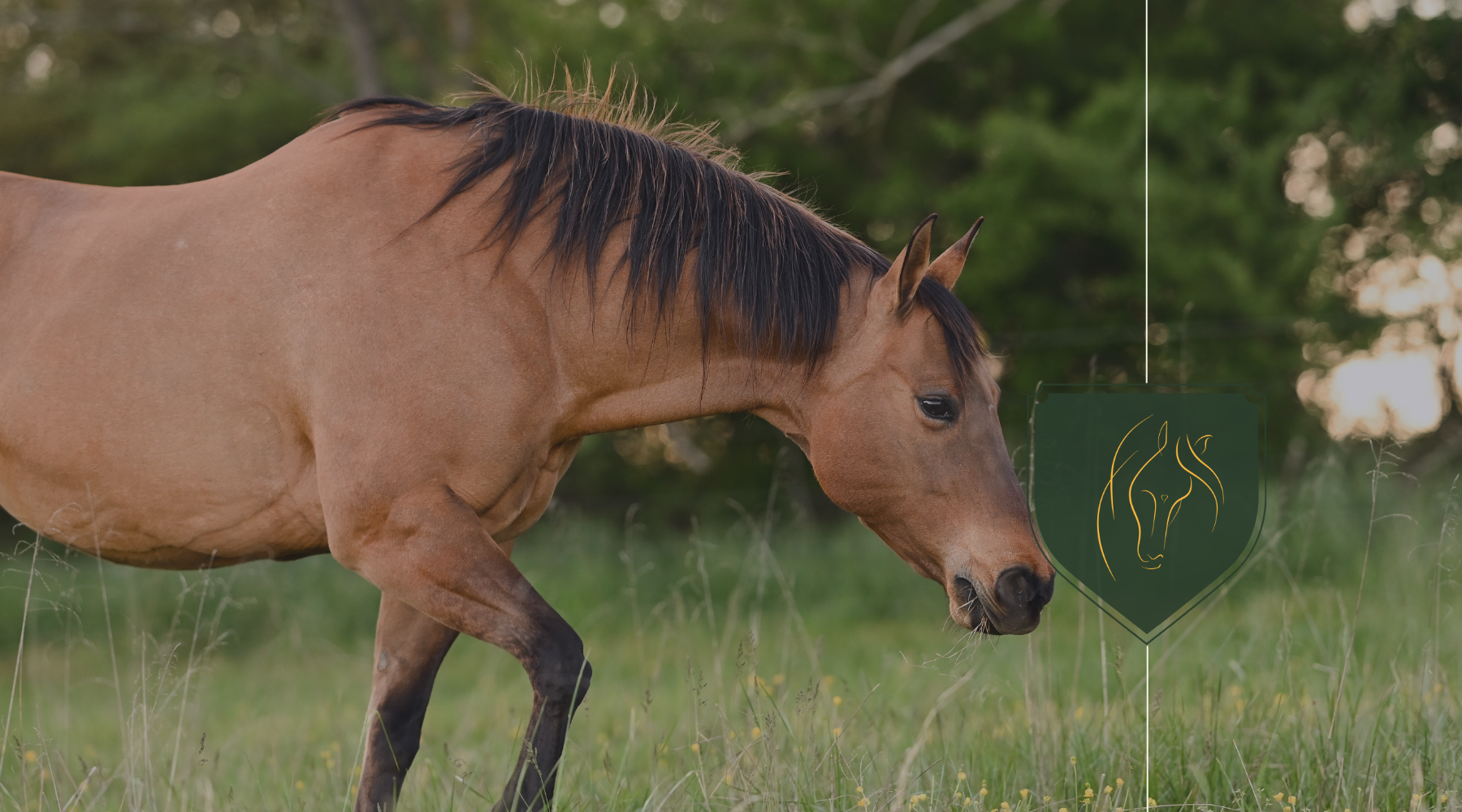
Safe Grazing for Horses with Metabolic Issues
Managing grazing for a horse with Equine Metabolic Syndrome (EMS) can be a challenge, but it’s essential to prevent laminitis and other complications. While grass is a natural food source, it can b...
Read moreBecome an expert Blogger with us
Calling all equine experts! Share your invaluable knowledge and experience with our passionate community of horse enthusiasts. We're seeking insightful, engaging blog posts that delve into the latest advancements in equine health, training techniques, and care practices. Whether you're a veterinarian, trainer, or seasoned horse owner, your expertise can make a real difference. Join us in our mission to educate and inspire by contributing to The Equine Institute's blog. Help shape the future of equine care – submit your blog proposal today!