


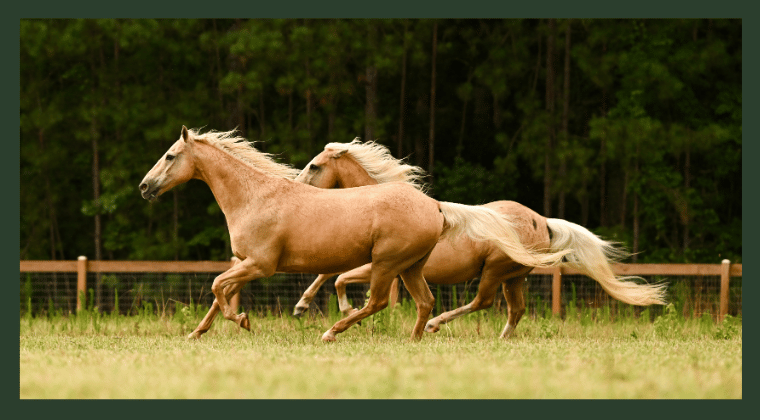
Five Early Signs Your Horse’s Hooves Need Attention
Hoof problems rarely appear overnight. Most hoof and lameness issues develop gradually, and early detection is one of the most important responsibilities of a horse owner. Subtle changes in behaviour, movement and hoof structure can signal trouble long before obvious limping shows up. Learning to recognize these early warning signs can prevent long-term damage and keep your horse sound and comfortable.
Healthy hooves are foundational to a horse’s overall biomechanics. When the hoof is uncomfortable or unbalanced, it affects every joint and muscle higher up the limb and into the spine. Understanding what to look for is a core skill in horse management and proactive hoof care. If you want to go deeper into hoof physiology, movement and disease recognition, you can explore our Hoof Care and Nutrition learning track.
Warning signs to watch
1. Changes in gait or behaviour
Watch for limping, hesitation in movement, shortened strides, toe-first landings or a reluctance to move forward when ridden or led. Behaviour changes such as irritability, pinned ears, tail swishing or resistance to exercise often originate from discomfort in the feet. Movement changes are one of the most common early signs of hoof imbalance or pain. If you want to learn more about equine gait and movement analysis, our Applied Equine Anatomy and Movement course offers great foundational insight.
2. Heat or swelling
Feel for heat around the hoof, coronary band or pastern. Compare one leg to the other to detect differences. Warmth or swelling may signal inflammation, infection, laminitis risk or excessive hoof pressure. Early inflammation is much easier to treat before it becomes a full-blown problem.
3. Abnormal hoof shape or condition
Look for horizontal rings, brittle hoof walls, flares, cracks, chipping or uneven growth patterns. These changes can indicate nutritional imbalances, poor trimming cycles, chronic pressure points or underlying metabolic issues. For additional guidance on understanding hoof symmetry and structural mechanics, you can check out our Mastering Equine Conformation course.
4. Foul odours or black discharge
A sour smell, black sludge or sticky material inside the frog area is usually thrush or bacterial infection. Moisture, dirt and lack of oxygen inside the hoof can foster microbial growth. Regular picking, clean turnout and proper trimming help prevent this.
5. Sensitivity or discomfort to pressure
If your horse reacts when you squeeze the hoof, press on the sole or manipulate the frog, it may indicate bruising, a brewing abscess, sole pressure or the early onset of laminitis. Sensitivity is an important early diagnostic clue and should never be ignored.
When to call the vet or farrier
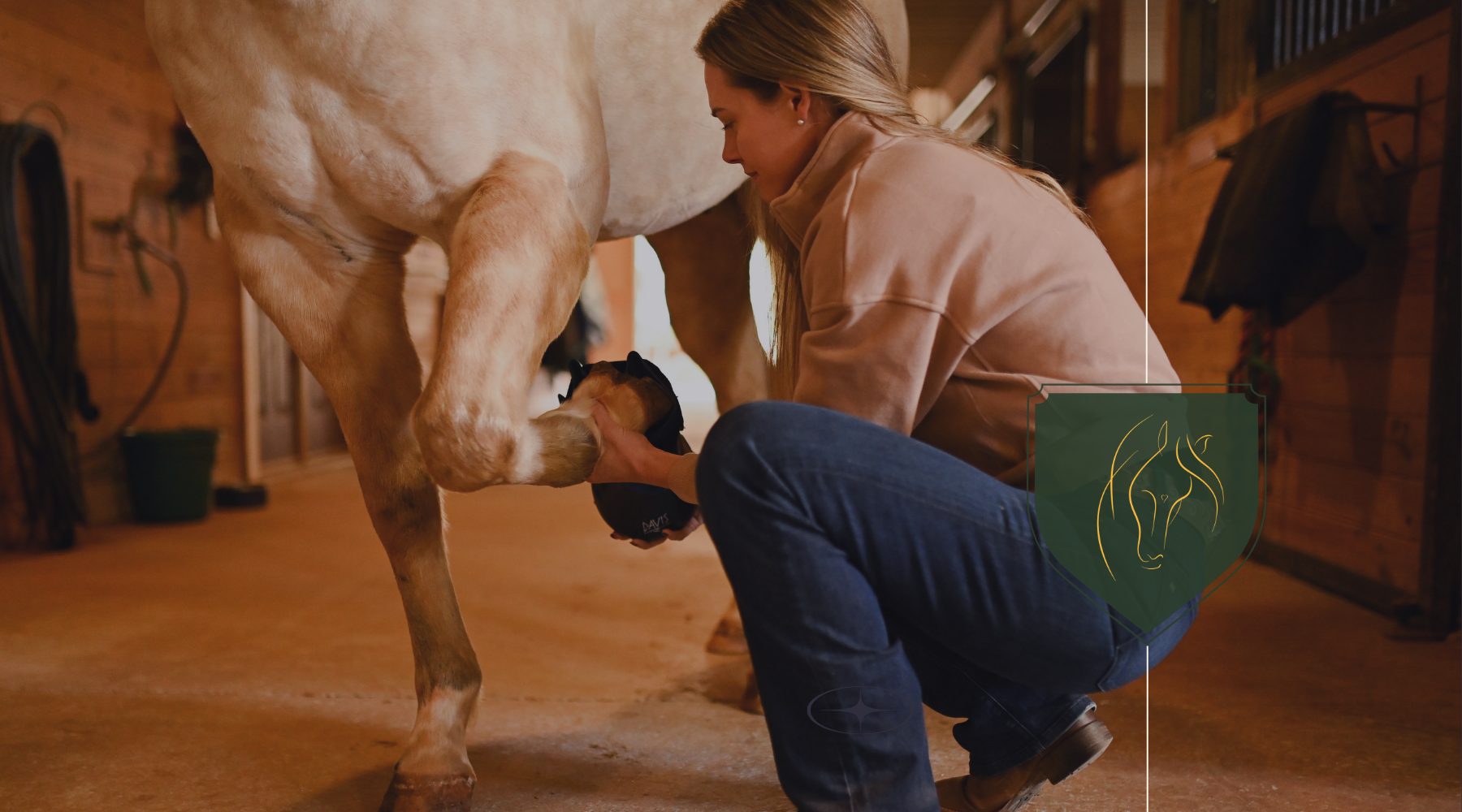
If you notice any combination of these signs, contact your farrier or veterinarian promptly. Hoof problems respond far better to early intervention. Small corrections in trimming, changes in management, diet adjustments or rest periods can prevent chronic lameness. Waiting until the horse is obviously lame often means the issue has already progressed.
A proactive relationship with both your veterinarian and your farrier is one of the best investments you can make in your horse’s longevity and athletic potential. Many hoof issues are preventable when owners are educated, observant and engaged in regular hoof care.
The importance of regular hoof care and education
Daily cleaning, routine farrier visits and consistent monitoring of gait and posture all contribute to long-term soundness. Understanding hoof anatomy, proper trimming principles and how environment affects hoof quality helps you make better decisions. You can build your knowledge through our equine science catalog here.
At Equine Institute, we focus on science-based equine education that empowers horse owners to recognize early signs of hoof issues and understand the biomechanics behind them. An informed owner is your horse’s strongest line of defense.
Keep learning through our courses and resources. The more you understand your horse’s hooves, the better you can protect their health and comfort.
As animal loving founders, we've also founded Huckwell, focused on premium pet products for animal-loving households.”
Leave a comment
This site is protected by hCaptcha and the hCaptcha Privacy Policy and Terms of Service apply.